Book online Call us
Arvid Lindblad: From Daytona to F1

Arvid Lindblad: From Daytona to F1

The Meteoric Rise from Bambino Karting at Daytona Sandown Park to a Seat in F1

On Tuesday 3rd December, news dropped of Arvid Lindblad’s ascension from FIA Formula 2’s Campos Racing to Formula 1’s Racing Bulls. As their 2026 driver, Lindblad will replace Isack Hadjar, whose outstanding rookie season has earned him a promotion to partner Red Bull superstar and four-time world champion Max Verstappen. It marks yet another rapid escalation in what has already been one of the most accelerated junior careers in recent memory.

For the more casual motorsport follower, this announcement might prompt some questions: Where did Arvid Lindblad come from? What’s his story? How does an 18-year-old reach Formula 1? Fortunately, we’ve had a trackside view from the very beginning.

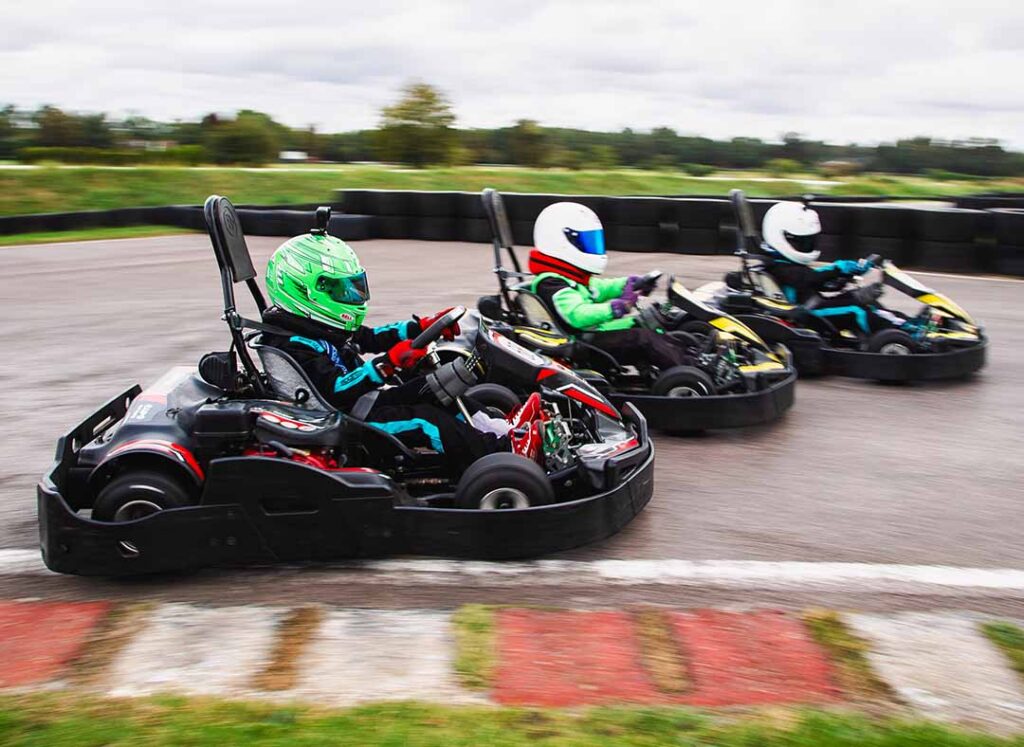
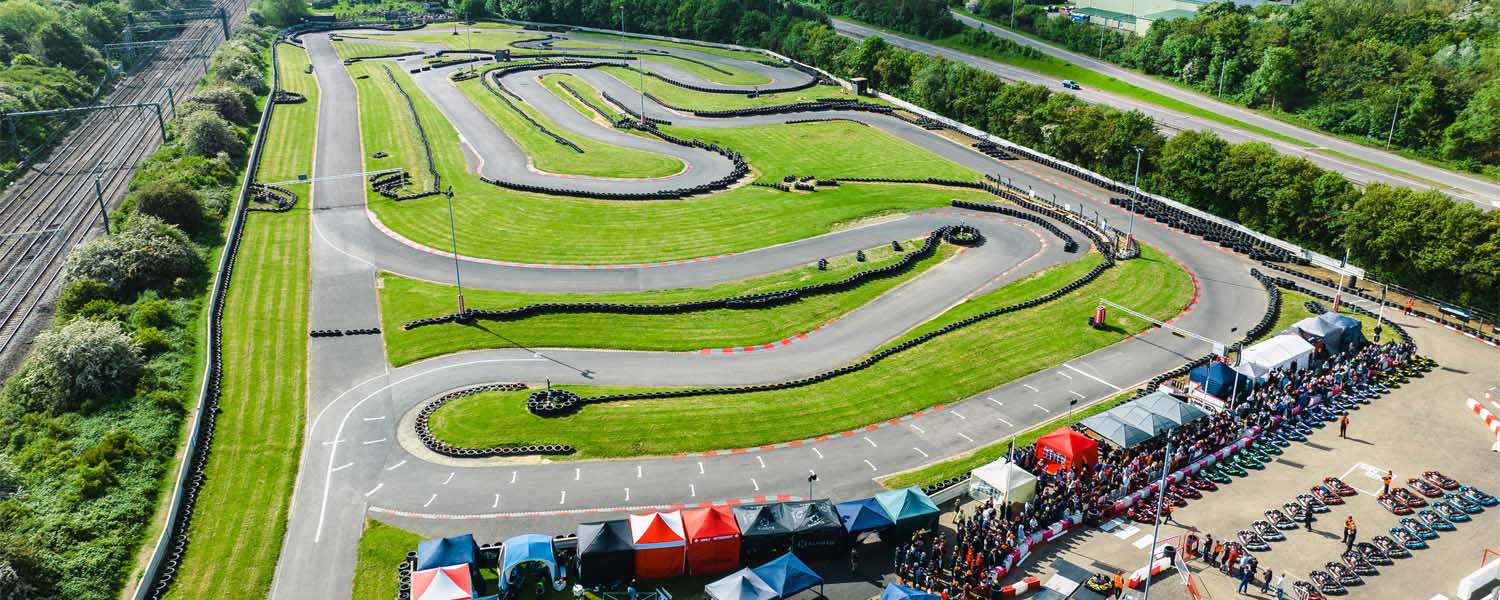
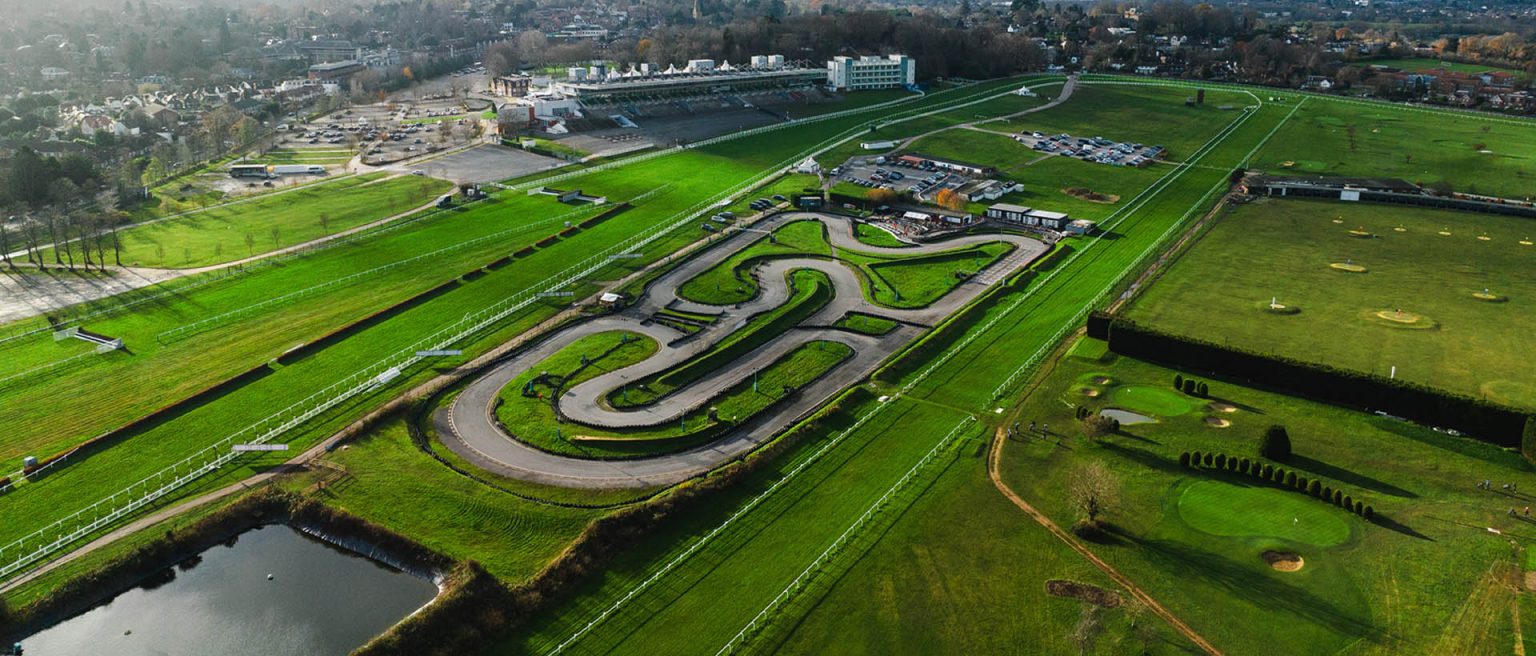
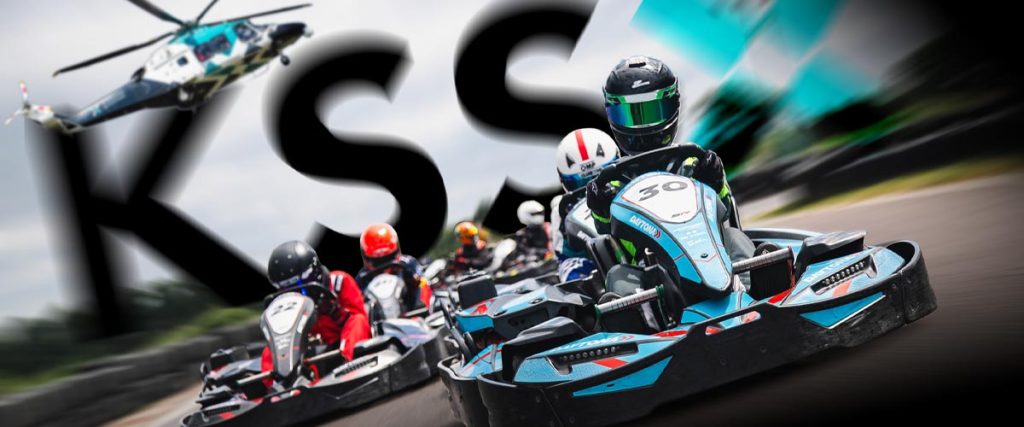
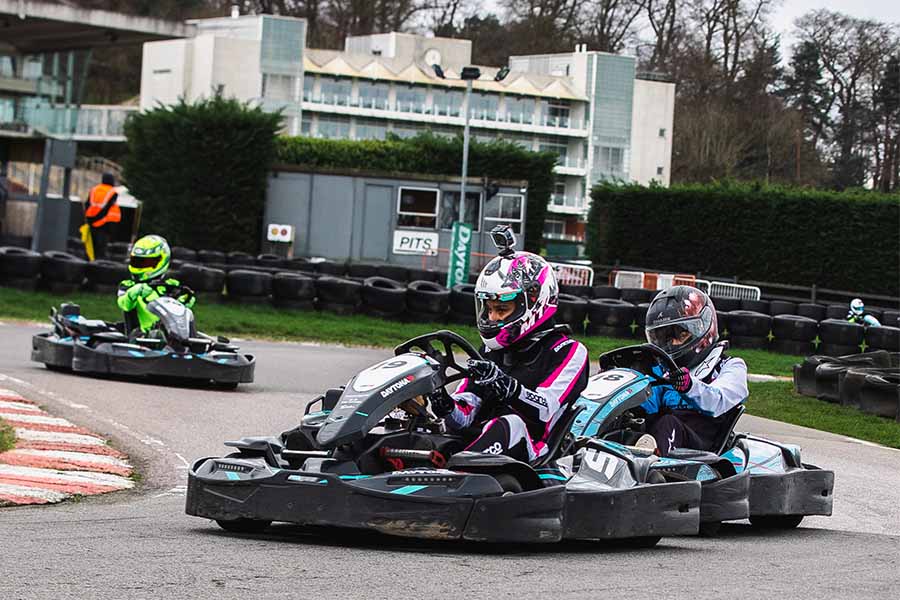
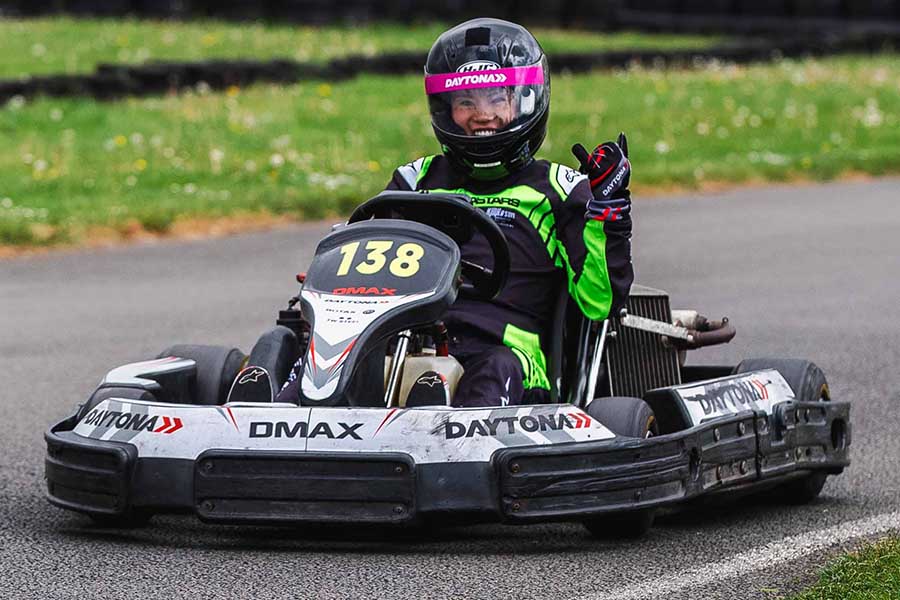
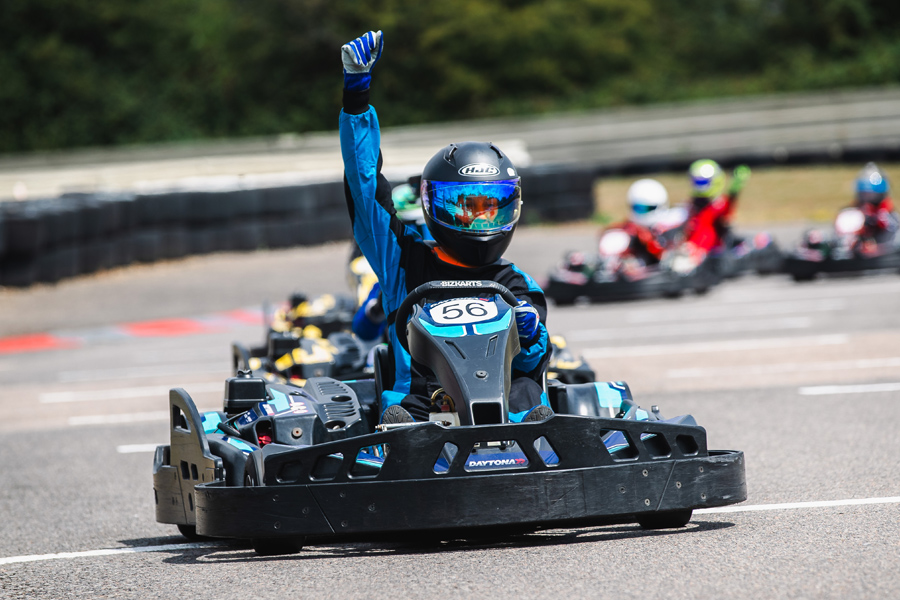
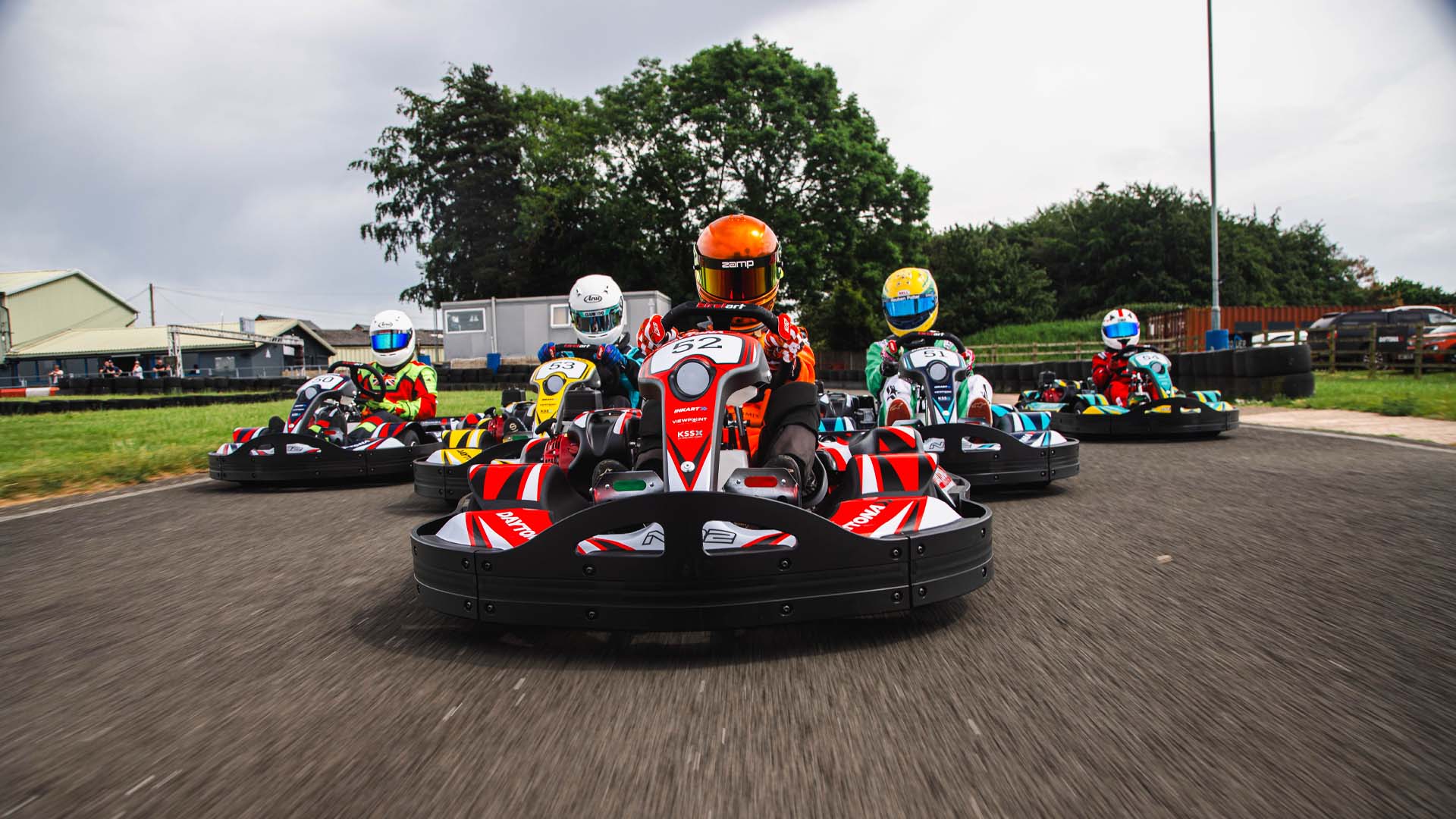
Like every driver now occupying a place on the F1 grid, Lindblad’s journey started in a racing kart. At just five years old, he arrived at Daytona Sandown Park to take his first laps in our Bambino programme, testing himself against some of the best junior talent in the country. Born in Surrey, the local lad immediately settled into the sport, going from strength to strength as he developed race craft, discipline and the fundamental driving skills that form the backbone of every successful motorsport career.

We’d like to think that this was the spark which ignited the flame.

A strong grounding at Daytona laid the platform for Lindblad’s next steps into national and international competition. Naturally, a driver shining this brightly at such a young age was always going to be noticed and after graduating from Daytona’s Bambino training he moved into the WSK Super Master Series, securing the title in 2020. By then, the Red Bull Junior Team had already taken interest. In 2021, aged just 13, Lindblad formally signed with the programme - an exceptionally rare achievement in modern junior motorsport.

With access to elite coaching and the mentorship of Formula E champion Oliver Rowland, Lindblad accelerated again, taking further victories in the WSK Euro Series and Final Cup before transitioning to shifter karts and the Champions of the Future Series in 2022. What followed has been nothing short of a whirlwind. His debut in the junior Formula E quickly confirmed what many already suspected: Lindblad was not just fast, he was a generational prospect.

Last year, he made the jump to FIA Formula 2 at just 17 years old, becoming the youngest race winner in F2 history with a stunning victory in Jeddah. Successful tests at Imola in the AT04 car followed in June, along with a composed FP1 appearance at the Mexico City Grand Prix in place of Verstappen himself. Each step made the next feel inevitable. In 2026, Lindblad will take to the grid in Australia as a fully-fledged Formula 1 driver.

Of course, we cannot claim credit for the extraordinary accomplishments of the last few years. Red Bull, Rowland and, of course, a lot of hard work and talent have honed him into one of the brightest prospects in motorsport.

The Daytona racing programmes are proud to have produced a long list of notable drivers, yet Lindblad’s trajectory stands out even among that company. Going from beginner Bambino laps to Red Bull’s radar in just a handful of years is the kind of progression young drivers dream about. His path from Daytona to WSK to the Red Bull Junior Team is now held up as one of the cleanest, fastest and most successful ascents of its kind.

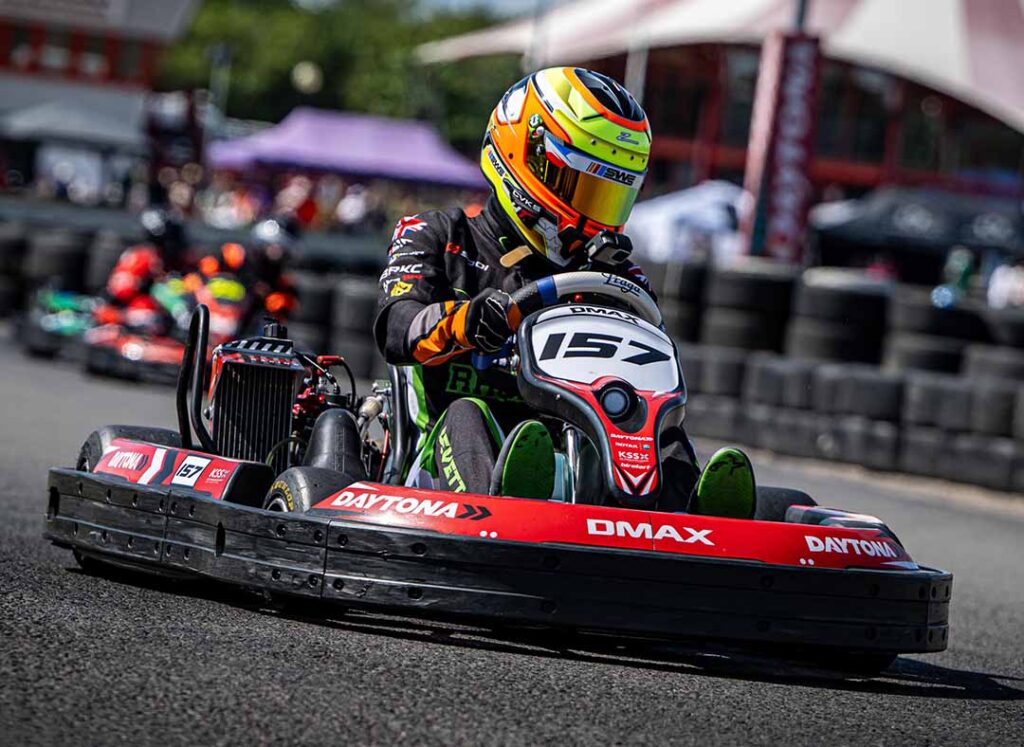
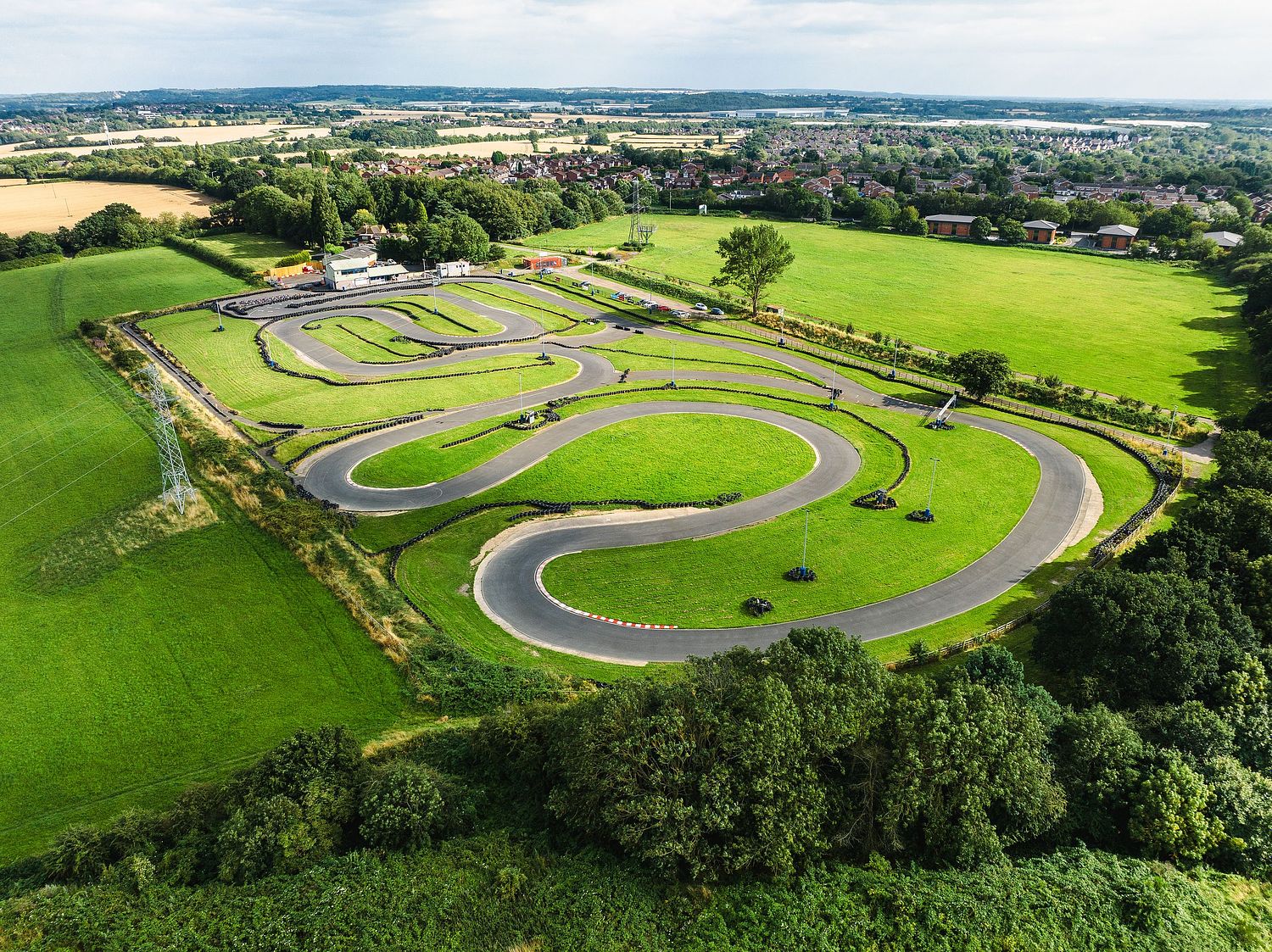
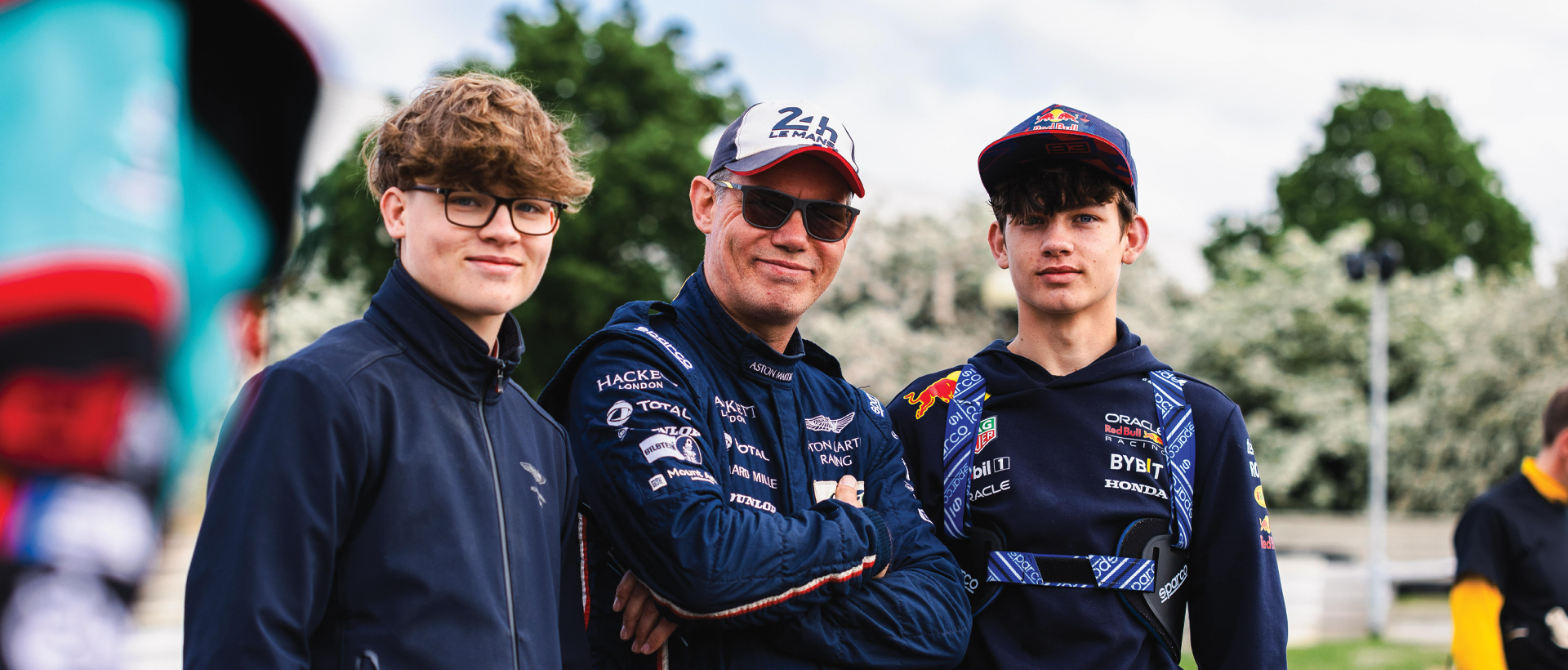
And despite his rapid rise, Lindblad’s connection to Daytona has never faded. In 2024, he took to Daytona Milton Keynes, a mere ten minutes from the Red Bull development centre, for an exclusive team session alongside Yuki Tsunoda, Isack Hadjar and a host of other drivers and engineers. We’ll keep the race standings under our hat for now but rest assured Lindblad dropped some eye watering lap times.

Now, as the rising star steps into Racing Bulls, Lindblad follows a lineage of drivers who have passed through the Faenza-based team, including Yuki Tsunoda, Liam Lawson, Sergio Pérez, Alex Albon and Pierre Gasly. Racing Bulls Team Principal Alan Permane summed up the scale of his rise succinctly:

“Arvid's rapid progression marks him as one of the standout young talents in the sport.”

His promotion arrives at an interesting moment in Formula 1’s technical evolution. With the new aerodynamic and power unit regulations arriving in 2026, teams expect cars to be more agile, more reactive and more reminiscent of the karting feel many drivers grew up with. If that prediction holds true, then those early laps at Daytona Sandown Park may prove even more valuable than anyone realise, an additional advantage for a driver already praised for precision and adaptability.

The comparisons with Verstappen are inevitable. Could Lindblad follow the same path as the Dutchman, entering F1 young and thriving immediately? Could he earn a future seat alongside Verstappen at Red Bull Racing? Or will he carve his own identity entirely within the Racing Bulls project?

Arvid Lindblad’s rise from Daytona Sandown Park to Formula 1 stands as one of the clearest modern examples of how grassroots karting can be the launchpad to the highest tier of global motorsport. His journey is powerful because it is simple and true.

For young drivers, parents and fans looking to understand where elite talent comes from, the link is unmistakable: Arvid Lindblad and Daytona are permanently connected.

Register to receive our special offers

Sign up here to get the latest news and special offers from Daytona Motorsport delivered straight to your inbox.

Sign me up for special offers at